
Stone Creek Hardscapes - Fire Features That Turn Backyards Into Year-Round Retreats
Thoughtfully Designed Hardscapes Made for Colorado Living
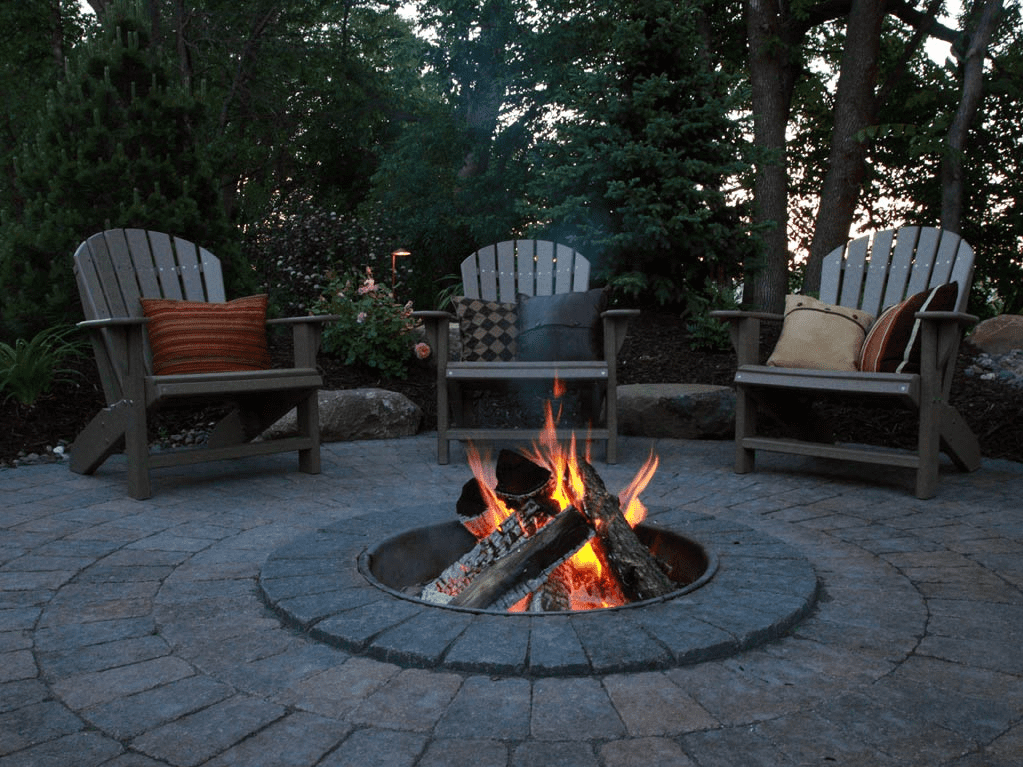
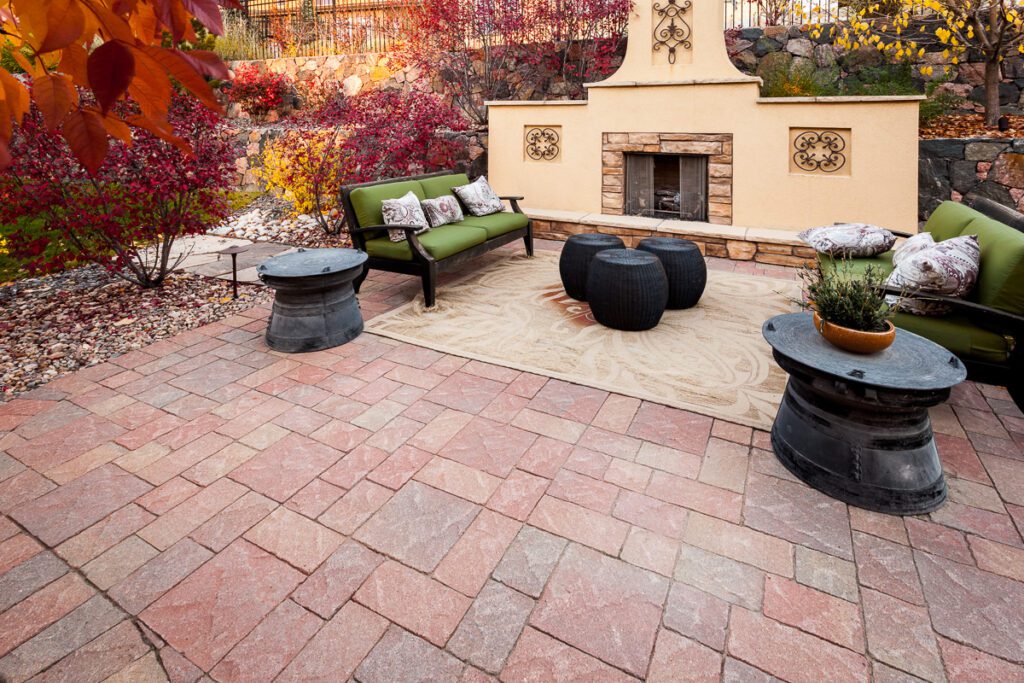
Your outdoor space deserves more than a basic metal fire ring — it deserves a warm, inviting gathering place built with beauty, craftsmanship, and lasting quality. At Stone Creek Hardscapes & Design, we create custom paver fire pits and outdoor fireplaces that turn ordinary backyards into cozy, unforgettable retreats. Each design is tailored to complement your home’s architecture and enhance the way you enjoy Colorado’s four seasons.
Our ICPI-certified team blends precision installation with artistic design, ensuring every project looks as exceptional as it performs. Recognized three times by the ICPI Hardscape North America Awards, we bring award-winning craftsmanship and meticulous attention to detail to every fire feature we build — so you can relax, entertain, and enjoy Colorado evenings for years to come.
What our clients are saying about us

Our Proven 4-Step Paver Installation Process for Colorado Homes
Step 1: Free, On-Site Consultation We meet at your home to measure and discuss your vision. No pressure—just expert advice on layouts and materials that fit your landscape.
Step 2: Custom Design & No-Surprise Quote You get a scaled design plan and a clear, written proposal. Visualizing the final look upfront ensures there are no surprises later.
Step 3: ICPI-Certified Installation Our certified crew builds specifically for Colorado weather. We prioritize precision base prep, based on our visual inspection and build to withstand freeze-thaw cycles and heavy snow.
Step 4: Final Walkthrough & Warranty
Once your project is complete, we walk it with you, answer questions, and make sure you’re thrilled with the result. You’ll receive your workmanship warranty — our promise to stand by our work for years to come.
Ready to start Step 1? Stop dreaming and start building. Contact us today to schedule your free consultation and get a hardscape built to last in Colorado.
Expertly Managed Projects With Clear Communication

Your Vision. Our Design. Let’s Bring Your Fire Pit or Fireplace to Life.
Get your free, no-obligation consultation and detailed plan — see your project before you build.

Custom Patio & Fire Pit Design
You’ll Get a Plan — Before You Commit
At Stone Creek, Hardscapes we don't believe in rough estimates. Your new project deserve a detailed roadmap of your investment. Our professional design plans include precise dimensions, material callouts, and precise layout details.
Why this matters for you:
Visual Confidence: See how the design fits your home’s architecture.
Accurate Pricing: A precise plan means a precise quote—no hidden costs later.
HOA Ready: Our plans are detailed enough to submit directly to your HOA for approval.
With over 25 years of experience, we’ve perfected our process to ensure every project delivers lasting beauty, precision, and customer satisfaction.
Paver Fire Pits FAQ'S
Maintaining a paver fire pit involves regular cleaning and inspection to ensure it stays safe and functional. After each use, make sure to clear out any ashes or debris from the fire pit to prevent buildup. Regularly check the pavers for any signs of cracking or damage, and replace any broken pavers as needed. If your fire pit uses a gas line, ensure that the connection is secure and free of leaks by working with a licensed professional. Additionally, cleaning the exterior of the fire pit periodically will keep it looking fresh and appealing.
Yes, you can absolutely use a paver fire pit during the winter. Fire pits are perfect for keeping warm on chilly nights, making them ideal for year-round use. The heat from the fire creates a cozy atmosphere that extends your outdoor living season, even when temperatures drop. With a wood-burning fire pit, you can enjoy the crackle and warmth of a traditional fire, while a gas-powered fire pit provides a cleaner, more convenient heat source. Just make sure to maintain the fire pit properly, clearing away any snow or debris before use.
The installation of a paver fire pit typically takes between one to three days, depending on the complexity of the design and the size of the project. If the fire pit involves additional features like seating or custom elements, it may take a bit longer. However, paver fire pits are relatively quick to install compared to other types of outdoor fire pits, and the process involves clearing the area, preparing the base, and assembling the pavers. A professional installer can ensure the fire pit is built safely and properly, allowing you to enjoy your new feature without delay.
You can use wood, propane, or natural gas as fuel for your paver fire pit. Wood-burning fire pits create a traditional, rustic feel with the crackle and smoke of burning wood, perfect for those who enjoy a classic campfire experience. If you prefer convenience and cleaner burning, a gas-powered fire pit (either propane or natural gas) is a great option. Propane fire pits offer flexibility since you can use portable tanks, while natural gas fire pits require a connection to your home’s gas line. While we do not connect gas lines ourselves, we can work with licensed professionals who specialize in gas line installation.
Yes, a paver fire pit can be used for cooking, especially if you choose a wood-burning fire pit. You can cook food directly over the fire using a grill grate, rotisserie, or cast-iron cookware. Many paver fire pits can be customized with a cooking ring or built-in grill, allowing you to enjoy outdoor meals while gathering around the fire. If you’re looking for a more advanced cooking setup, consider adding a dedicated cooking surface or a fire pit that is specifically designed for cooking. Just make sure to follow fire safety precautions when cooking over an open flame.
Yes, seating can easily be incorporated around your paver fire pit to create a functional and comfortable outdoor space. You can install built-in seating walls made of the same pavers as the fire pit, providing a cohesive look that adds structure to your yard. Alternatively, you can add freestanding outdoor furniture such as chairs or benches for more flexibility. Whether you choose built-in or movable seating, positioning it around the fire pit creates a natural gathering space where everyone can enjoy the warmth and ambiance of the fire.
Outdoor Living Ideas from Stone Creek Hardscapes
See real projects we’ve completed across Colorado and discover ideas for your next outdoor transformation

The Sub-Base Advantage: 3 Critical Layers We Use to Keep Colorado Paver Patios Crack-Free for 25+ Years
Colorado is one of the most beautiful — and one of the most challenging — places
Read More
Beyond Concrete: Why Pavers Are the Only Durable Choice for Denver Metro’s Harsh Winters
Denver’s climate is both beautiful and brutal. We enjoy more than 300 sunny days but
Read More
Stop the Shift: The Paver Installation Secret to Surviving Colorado’s Brutal Freeze-Thaw Cycle
Colorado homeowners love the beauty and durability of paver patios, walkways, and driveways — but
Read MoreWhy Homeowners Choose Stone Creek Hardscapes
At Stone Creek Hardscapes, quality craftsmanship doesn’t have to come with a premium price tag. Our efficient process, in-house crews, and long-standing supplier relationships allow us to deliver top-tier paver installations at fair, competitive rates. You’ll receive honest, transparent pricing with no hidden fees — just the best materials and workmanship your budget can buy.
Our crews are fully certified through the Interlocking Concrete Pavement Institute (ICPI) and Permeable Interlocking Concrete Pavement (PICP) programs — the national standards for paver installation excellence. This means every project is built to last, with proper base prep, drainage, and compaction for long-term performance in Colorado’s demanding climate.
Free Design Plans & Consultations with Every Proposal
Every proposal from Stone Creek Hardscapes comes with a custom design plan — not just a quote. You’ll see exactly how your new patio, driveway, or outdoor space will look before making a commitment. Each plan includes layout details, material recommendations, and clear pricing, so you can make informed decisions with confidence.
With no-cost, no-pressure consultations, our goal is to help you visualize your project and move forward knowing precisely what to expect — from the first sketch to the finished stonework.
Stone Creek Hardscapes & Design is fully licensed and insured for all residential and commercial hardscape projects in Colorado. This gives you peace of mind knowing that your investment is protected, and that every project is completed safely, professionally, and to code.
Stone Creek Hardscapes is proud to be a three-time national award winner for design and installation excellence at the Hardscape North America Awards (2016, 2019, and 2020). These honors recognize our commitment to precision craftsmanship, innovation, and customer satisfaction on every project we complete.
One of the key advantages of a paver fire pit is the ease of repairs. If a paver becomes cracked or damaged, you don’t have to replace the entire structure—just the individual piece that needs fixing. This makes maintenance more affordable and straightforward compared to other fire pit materials like metal or poured concrete, which may require extensive repair work. Additionally, the interlocking design of the pavers ensures that the fire pit remains structurally sound, even when individual stones are replaced. Overall, the ability to easily repair a paver fire pit ensures that it can last for many years with minimal upkeep.
Paver fire pits offer endless design possibilities, making them a great choice for homeowners looking to customize their outdoor space. From traditional round shapes to modern square designs, pavers can be arranged in various patterns to match the aesthetic of your backyard. With options available in different materials like natural stone, brick, or concrete, you can select the texture and color that best complements your patio or landscape. Additionally, paver fire pits can be customized with features like built-in seating or decorative accents. The flexibility of paver fire pits allows you to create a unique, personalized outdoor gathering space.
Maintaining a paver fire pit is incredibly easy compared to other fire pit types. The interlocking pavers are durable and resistant to the elements, ensuring your fire pit remains in good condition for many years. Regular cleaning involves removing ash and debris from the fire pit after each use, as well as occasional sweeping or pressure washing to keep the pavers looking fresh. If a paver becomes damaged, it can be quickly replaced without the need for major repairs. Additionally, if your fire pit uses a gas line, you can maintain it by checking for leaks or working with professionals to ensure the gas line remains secure.
Installing a paver fire pit can significantly increase the property value of your home. Not only does it enhance your outdoor living space, but it also adds an element of luxury and functionality that potential buyers find attractive. A fire pit creates a welcoming atmosphere, ideal for entertaining and spending time outdoors, which makes your home more desirable. The visual appeal of a well-designed paver fire pit adds to your home’s curb appeal, increasing its market value. Additionally, because paver fire pits are low-maintenance and durable, they provide long-term value to your property.
Paver fire pits are built to last, offering incredible longevity when properly installed and maintained. The durability of pavers ensures they can withstand high temperatures and exposure to the elements, including rain, snow, and extreme temperatures. Unlike metal or wood fire pits, which can rust or decay over time, pavers retain their integrity and appearance for many years. The interlocking design of the pavers adds strength, preventing the structure from shifting or falling apart. With the right care, your paver fire pit can provide years of enjoyment and beauty in your outdoor space.
1. What is a paver fire pit and how does it work?
A paver fire pit is a stylish and functional outdoor feature made from interlocking pavers designed to contain and safely burn a fire. These fire pits are constructed with durable materials like stone or concrete pavers, offering both aesthetic appeal and practicality. They can be built in various shapes, sizes, and styles to match your landscape and design preferences. Paver fire pits work by using wood, propane, or natural gas as a fuel source, with a secure structure to keep the flames contained. Whether you prefer a wood-burning or gas-powered fire pit, a paver fire pit adds warmth and ambiance to your outdoor living space.
2. How do paver fire pits enhance my outdoor space?
A paver fire pit significantly enhances your outdoor space by providing a focal point for gatherings and offering a cozy atmosphere. It creates a perfect setting for family and friends to enjoy cool evenings outside, whether you’re roasting marshmallows, enjoying a drink, or just relaxing by the fire. Paver fire pits come in a variety of shapes and designs, allowing you to match the style of your patio, garden, or backyard. The beauty of natural stone or concrete pavers adds rustic charm or modern appeal to your outdoor space. In addition, they can increase the functionality of your backyard by extending the use of your outdoor area year-round.
3. Are paver fire pits safe to use?
Yes, paver fire pits are safe to use as long as they are built and maintained properly. The pavers used in fire pits are designed to withstand high temperatures, ensuring that the structure remains intact even when the fire is burning hot. Additionally, proper ventilation in the fire pit ensures that the smoke and heat dissipate safely. It’s important to follow fire safety guidelines, such as keeping the fire contained, never leaving it unattended, and ensuring that it is fully extinguished before leaving the area. If you choose a gas-powered fire pit, working with a licensed professional to install the gas line is essential to ensure safety.
4. Can I use a paver fire pit during the winter?
Yes, you can absolutely use a paver fire pit during the winter. Fire pits are perfect for keeping warm on chilly nights, making them ideal for year-round use. The heat from the fire creates a cozy atmosphere that extends your outdoor living season, even when temperatures drop. With a wood-burning fire pit, you can enjoy the crackle and warmth of a traditional fire, while a gas-powered fire pit provides a cleaner, more convenient heat source. Just make sure to maintain the fire pit properly, clearing away any snow or debris before use.
5. What are the benefits of having a paver fire pit in my backyard?
Having a paver fire pit in your backyard offers multiple benefits. It provides a natural gathering spot for family and friends, making your outdoor area more inviting and functional. Fire pits create warmth, allowing you to use your outdoor space well into the colder months. Additionally, they can enhance your landscape’s design by adding a visually appealing focal point that complements the rest of your backyard. Paver fire pits are also versatile, as they can be customized in shape, size, and material to fit your specific needs and style preferences.
6. What materials are best for building a paver fire pit?
The best materials for building a paver fire pit include natural stone, concrete, and brick pavers. Natural stone provides a rustic, elegant look and can withstand high temperatures, making it a great option for a durable and attractive fire pit. Concrete pavers offer flexibility in design and come in a variety of shapes and sizes, allowing for more customization. Brick pavers also offer a traditional aesthetic and are known for their durability. All these materials are ideal for creating a safe, functional, and visually appealing fire pit that will last for years.
7. How do I maintain a paver fire pit?
Maintaining a paver fire pit involves regular cleaning and inspection to ensure it stays safe and functional. After each use, make sure to clear out any ashes or debris from the fire pit to prevent buildup. Regularly check the pavers for any signs of cracking or damage, and replace any broken pavers as needed. If your fire pit uses a gas line, ensure that the connection is secure and free of leaks by working with a licensed professional. Additionally, cleaning the exterior of the fire pit periodically will keep it looking fresh and appealing.
8. Can I customize the design of my paver fire pit?
Yes, paver fire pits are highly customizable in terms of design. You can choose from a variety of paver styles, colors, and patterns to create a fire pit that complements your backyard’s aesthetic. Whether you prefer a modern, sleek look or a more rustic, natural stone design, the flexibility of pavers allows for endless possibilities. You can also incorporate additional features like built-in seating, lighting, or decorative borders to enhance the functionality and visual appeal of your fire pit. A custom design will ensure that your fire pit becomes a standout feature in your outdoor space.
9. How long does it take to install a paver fire pit?
The installation of a paver fire pit typically takes between one to three days, depending on the complexity of the design and the size of the project. If the fire pit involves additional features like seating or custom elements, it may take a bit longer. However, paver fire pits are relatively quick to install compared to other types of outdoor fire pits, and the process involves clearing the area, preparing the base, and assembling the pavers. A professional installer can ensure the fire pit is built safely and properly, allowing you to enjoy your new feature without delay.
10. What types of fuel can I use for a paver fire pit?
You can use wood, propane, or natural gas as fuel for your paver fire pit. Wood-burning fire pits create a traditional, rustic feel with the crackle and smoke of burning wood, perfect for those who enjoy a classic campfire experience. If you prefer convenience and cleaner burning, a gas-powered fire pit (either propane or natural gas) is a great option. Propane fire pits offer flexibility since you can use portable tanks, while natural gas fire pits require a connection to your home’s gas line. While we do not connect gas lines ourselves, we can work with licensed professionals who specialize in gas line installation.
11. Can a paver fire pit be used for cooking?
Yes, a paver fire pit can be used for cooking, especially if you choose a wood-burning fire pit. You can cook food directly over the fire using a grill grate, rotisserie, or cast-iron cookware. Many paver fire pits can be customized with a cooking ring or built-in grill, allowing you to enjoy outdoor meals while gathering around the fire. If you’re looking for a more advanced cooking setup, consider adding a dedicated cooking surface or a fire pit that is specifically designed for cooking. Just make sure to follow fire safety precautions when cooking over an open flame.
12. Can I build a paver fire pit on a deck or patio?
It is possible to build a paver fire pit on a deck or patio, but it’s important to consider fire safety and the materials underneath. A non-combustible surface like a concrete patio or stone deck is ideal for fire pit installations. For wooden decks, special precautions need to be taken to prevent heat damage or fires, such as using a fireproof mat underneath the fire pit. Additionally, make sure that there is enough clearance around the fire pit to ensure safety. Consulting with a professional can help ensure your fire pit is installed safely and correctly on any surface.
13. Are paver fire pits durable enough for Colorado’s weather?
Yes, paver fire pits are extremely durable and well-suited to Colorado’s weather. The materials used for pavers, such as concrete or natural stone, are built to withstand the freeze-thaw cycles that are common in Colorado. Pavers can expand and contract with temperature changes, preventing cracking and damage that other materials, like concrete, may experience. This makes paver fire pits an excellent choice for areas with extreme temperatures, ensuring they remain functional and visually appealing throughout the year.
14. Do paver fire pits require a permit in Denver?
In many cases, paver fire pits require a permit, especially if they are wood-burning or larger in size. Denver and surrounding areas have specific regulations regarding outdoor fire features to ensure safety. Before building your fire pit, it’s important to check local zoning laws and regulations. Many cities require permits for fire pits, especially if they use gas or propane. Consult with your local building department or a professional installer to ensure you comply with all necessary codes and regulations.
15. What should I consider when choosing the location for my paver fire pit?
When choosing the location for your paver fire pit, consider factors such as proximity to structures, wind direction, and clearance from flammable materials. Ideally, the fire pit should be placed at least 10-15 feet away from your home, trees, fences, or anything that could catch fire. It’s also important to ensure the area is level to prevent the fire from spreading or shifting the structure. Finally, consider how the fire pit will interact with your outdoor space, ensuring it enhances the area and is accessible for gatherings.
16. Can a paver fire pit be used year-round?
Yes, a paver fire pit can be used year-round, making it a great addition to your outdoor space. During the warmer months, it provides a cozy area to gather with friends and family, while in the colder months, it offers warmth and ambiance. Whether you opt for a wood-burning or gas-powered fire pit, both types can be used throughout the year, making your backyard a year-round gathering place. Paver fire pits are designed to withstand weather elements, ensuring long-term functionality and enjoyment.
17. Can I add seating around my paver fire pit?
Yes, you can easily add seating around your paver fire pit. Many homeowners incorporate built-in benches or seating walls made from the same pavers used in the fire pit. This creates a cohesive, stylish look that complements your outdoor space. Alternatively, you can place outdoor chairs or loungers around the fire pit for a more casual seating arrangement. Adding seating not only increases comfort but also makes the fire pit a more inviting and functional feature for gatherings.
18. What type of paver is best for building a fire pit?
The best pavers for building a fire pit are heat-resistant materials like natural stone, concrete, or fire-rated bricks. Natural stone offers a rugged, rustic look, while concrete pavers provide a more modern or customizable aesthetic. Both materials are durable and designed to withstand high temperatures, making them ideal for fire pit construction. Fire bricks are another great option, as they are specifically designed to handle intense heat. Choosing a heat-resistant paver ensures the longevity and safety of your fire pit.
19. Can I use a paver fire pit for both heat and cooking?
Yes, many paver fire pits are designed to serve a dual purpose for both heat and cooking. Wood-burning fire pits are especially great for cooking, as they provide direct heat that can be used for grilling, roasting marshmallows, or even cooking meals with a cast-iron skillet. Some paver fire pits can be customized with a grill insert, allowing you to easily switch between heating and cooking functions. Just make sure to follow safety guidelines and ensure the fire pit is properly ventilated when using it for cooking.
20. What size should my paver fire pit be?
The size of your paver fire pit depends on the space available in your backyard and how you plan to use it. For smaller patios, a fire pit with a diameter of 30 to 36 inches is typically sufficient. Larger backyards or spaces meant for more people might require a larger fire pit, up to 48 inches in diameter. The size should also be based on how much heat you need and whether you plan to use it for cooking or simply as a heat source. It’s important to ensure that the fire pit is in proportion to the overall layout of your outdoor space.
21. How do I design a paver fire pit that fits my outdoor space?
To design a paver fire pit that fits your outdoor space, start by considering the overall layout of your backyard. Think about how the fire pit will complement your existing features, such as patios, gardens, or seating areas. Choose a design style—whether contemporary, rustic, or traditional—that matches your home’s aesthetic. You can also incorporate additional features like surrounding seating walls, lighting, or planters to create a more cohesive look. Finally, ensure there is sufficient clearance around the fire pit for safety and comfort.
22. Can I install a gas-powered paver fire pit?
Yes, you can install a gas-powered paver fire pit. While we do not handle gas line installations directly, we can work with licensed professionals who specialize in connecting gas lines to fire pits. Gas-powered fire pits are convenient because they offer consistent flames and heat without the need for wood. They can be connected to your home’s natural gas line or powered by propane tanks. Make sure to have a licensed technician install the gas lines to ensure safety and compliance with local codes.
23. How can I prevent smoke from my paver fire pit?
If you’re using a wood-burning paver fire pit, smoke is a natural byproduct of burning wood. To reduce smoke, make sure you’re using dry, well-seasoned wood, as wet wood produces more smoke. Additionally, ensure that your fire pit is well-ventilated, allowing air to circulate and improve the burn efficiency. Choosing a smokeless fire pit design can also help minimize smoke by improving airflow and combustion. If you’re concerned about smoke, a gas-powered fire pit may be a cleaner alternative.
24. Can paver fire pits be used in smaller spaces or patios?
Yes, paver fire pits can be installed in smaller spaces or patios. There are various compact fire pit designs that are perfect for tight areas, allowing you to enjoy the warmth and ambiance of a fire without taking up too much space. The modular nature of pavers means they can be tailored to fit the available area, whether it’s a small courtyard or a cozy corner of your backyard. A smaller fire pit can still provide enough heat for intimate gatherings while enhancing the aesthetic appeal of your patio or outdoor space.
25. Do I need to get a permit for a paver fire pit in Denver?
In Denver, a permit is typically required for a wood-burning fire pit, especially if it’s large or permanent. The city has regulations in place to ensure fire safety, including clearances from structures, property lines, and other potential hazards. For gas-powered fire pits, you’ll need a professional to install the gas line, and permits may be required for that as well. Always check local building codes and fire regulations before starting your project to ensure compliance with city guidelines.
26. Can I add lighting to my paver fire pit?
Yes, adding lighting around your paver fire pit is a great way to enhance its ambiance and functionality. LED lights can be installed along the perimeter of the fire pit, in surrounding seating areas, or embedded into the pavers themselves for a subtle, atmospheric glow. Lighting can also improve safety by illuminating the area around the fire pit at night. Choose from solar-powered, low-voltage, or hardwired lighting options to fit your design and budget. Adding lighting creates a welcoming environment for evening gatherings and extends the usability of your outdoor space.
27. Can I incorporate seating around my paver fire pit?
Yes, seating can easily be incorporated around your paver fire pit to create a functional and comfortable outdoor space. You can install built-in seating walls made of the same pavers as the fire pit, providing a cohesive look that adds structure to your yard. Alternatively, you can add freestanding outdoor furniture such as chairs or benches for more flexibility. Whether you choose built-in or movable seating, positioning it around the fire pit creates a natural gathering space where everyone can enjoy the warmth and ambiance of the fire.
28. Are paver fire pits environmentally friendly?
Yes, paver fire pits can be environmentally friendly, especially if you choose natural stone or recycled materials for the pavers. Wood-burning fire pits provide a natural way to gather around a fire, but it’s important to use dry, well-seasoned wood to reduce harmful emissions and smoke. Gas-powered fire pits are an even cleaner alternative, offering heat without the need for burning wood. Additionally, the porous nature of pavers allows for better drainage, which can help manage water runoff and improve the overall health of your landscape.
29. How does a paver fire pit compare to a traditional fire pit?
A paver fire pit differs from a traditional fire pit in its durability, design options, and customization potential. While traditional fire pits are often made from metal or bricks, paver fire pits use durable, interlocking stones that can withstand extreme heat and weather conditions. Paver fire pits also offer more design flexibility, allowing you to choose from various materials, colors, and patterns to match your landscape. Additionally, paver fire pits are safer, as they are built to include proper drainage and prevent soil erosion around the pit.
30. How do I choose the right size for my paver fire pit?
Choosing the right size for your paver fire pit depends on the space available in your backyard and how you plan to use it. For smaller patios or intimate spaces, a compact fire pit with a diameter of 30 inches may be sufficient. Larger backyards or areas where you plan to host gatherings may require a larger fire pit with a diameter up to 48 inches. It’s important to ensure that the fire pit is proportionate to the surrounding space and that there is adequate clearance for safety. A professional installer can help you determine the ideal size based on your specific outdoor area.
Cities We Service
Arvada, Aurora, Boulder, Broomfield, Brighton, Castle Rock, Centennial, Cherry Hills Village, Conifer, Englewood, Erie, Evergreen, Federal Heights, Firestone, Franktown, Frederick, Genesee, Golden, Greenwood Village, Henderson, Highlands Ranch, Indian Hills, Ken Caryl, Lafayette, Lakewood, Larkspur, Littleton, Longmont, Lone Tree, Morrison, Northglenn, Parker, Roxborough, Sedalia, Sheridan, Southglenn, Superior, Thornton, Westminster, Wheat Ridge