
Paver Retaining Walls
Take control of Colorado's Terrain with Precision Crafted Retaining Walls
Stone Creek Hardscapes - Residential and Commerical Retaining Wall Builders
Strong, Stylish, and Functional: Custom Paver Retaining Walls
At Stone Creek Hardscapes & Design, we specialize in creating custom paver retaining walls that not only enhance the beauty of your landscape but also play a vital role in preserving the safety and functionality of your property. Retaining walls are essential for managing slopes, preventing erosion, and providing level surfaces for both gardens and hardscapes.
Our ICPI-certified team combines precision installation with artistic design, ensuring every project looks as exceptional as it performs. Recognized three times by the ICPI Hardscape North America Awards, we bring award-winning craftsmanship and meticulous detail to every patio we build — so you can relax, entertain, and enjoy the outdoors for years to come.
What our clients are saying about us
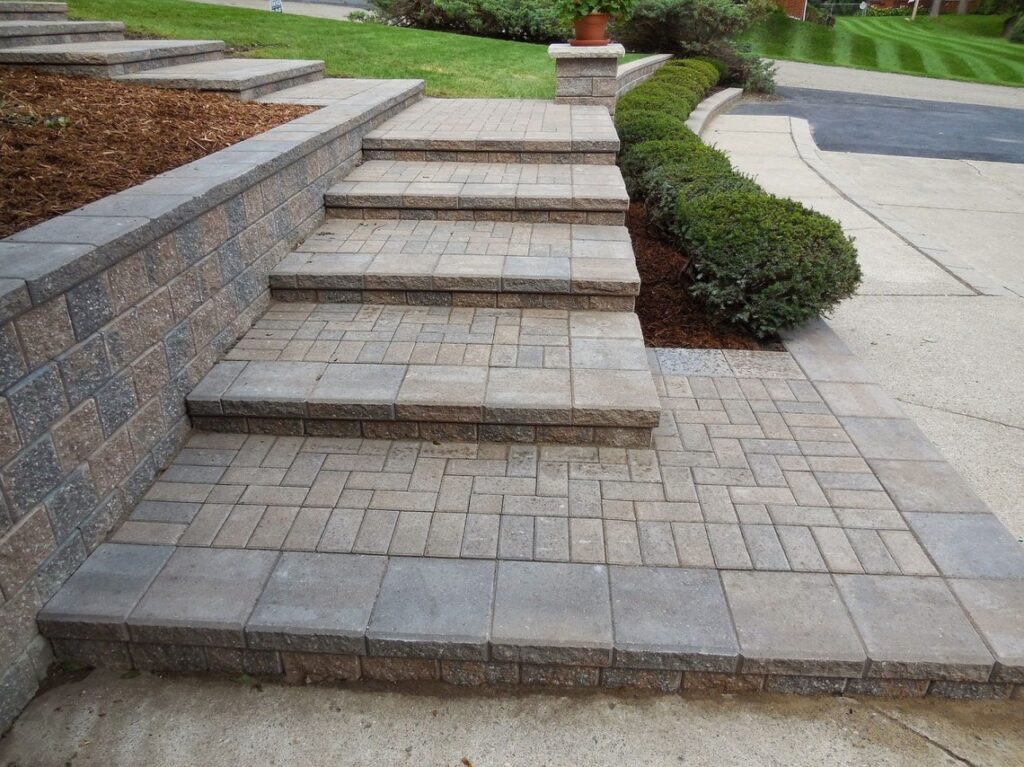

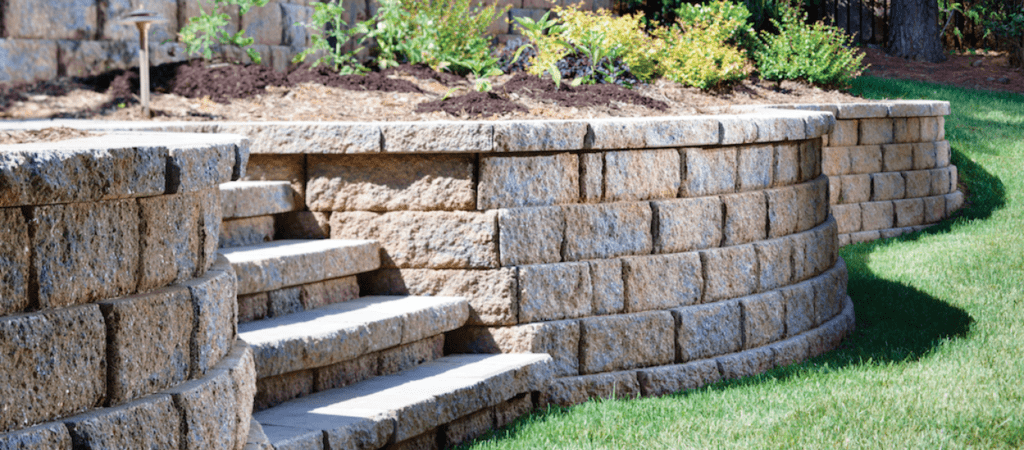
Our Proven 4-Step Paver Installation Process for Colorado Homes
Step 1: Free, On-Site Consultation We meet at your home to measure and discuss your vision. No pressure—just expert advice on layouts and materials that fit your landscape.
Step 2: Custom Design & No-Surprise Quote You get a scaled design plan and a clear, written proposal. Visualizing the final look upfront ensures there are no surprises later.
Step 3: ICPI-Certified Installation Our certified crew builds specifically for Colorado weather. We prioritize precision base prep, based on our visual inspection and build to withstand freeze-thaw cycles and heavy snow.
Step 4: Final Walkthrough & Warranty
Once your project is complete, we walk it with you, answer questions, and make sure you’re thrilled with the result. You’ll receive your workmanship warranty — our promise to stand by our work for years to come.
Ready to start Step 1? Stop dreaming and start building. Contact us today to schedule your free consultation and get a hardscape built to last in Colorado.
Expertly Managed Projects With Clear Communication

Your Vision. Our Design. Let's Put Your Retaining Walls to Work.
Get your free, no-obligation consultation and detailed plan — see your project before you build.
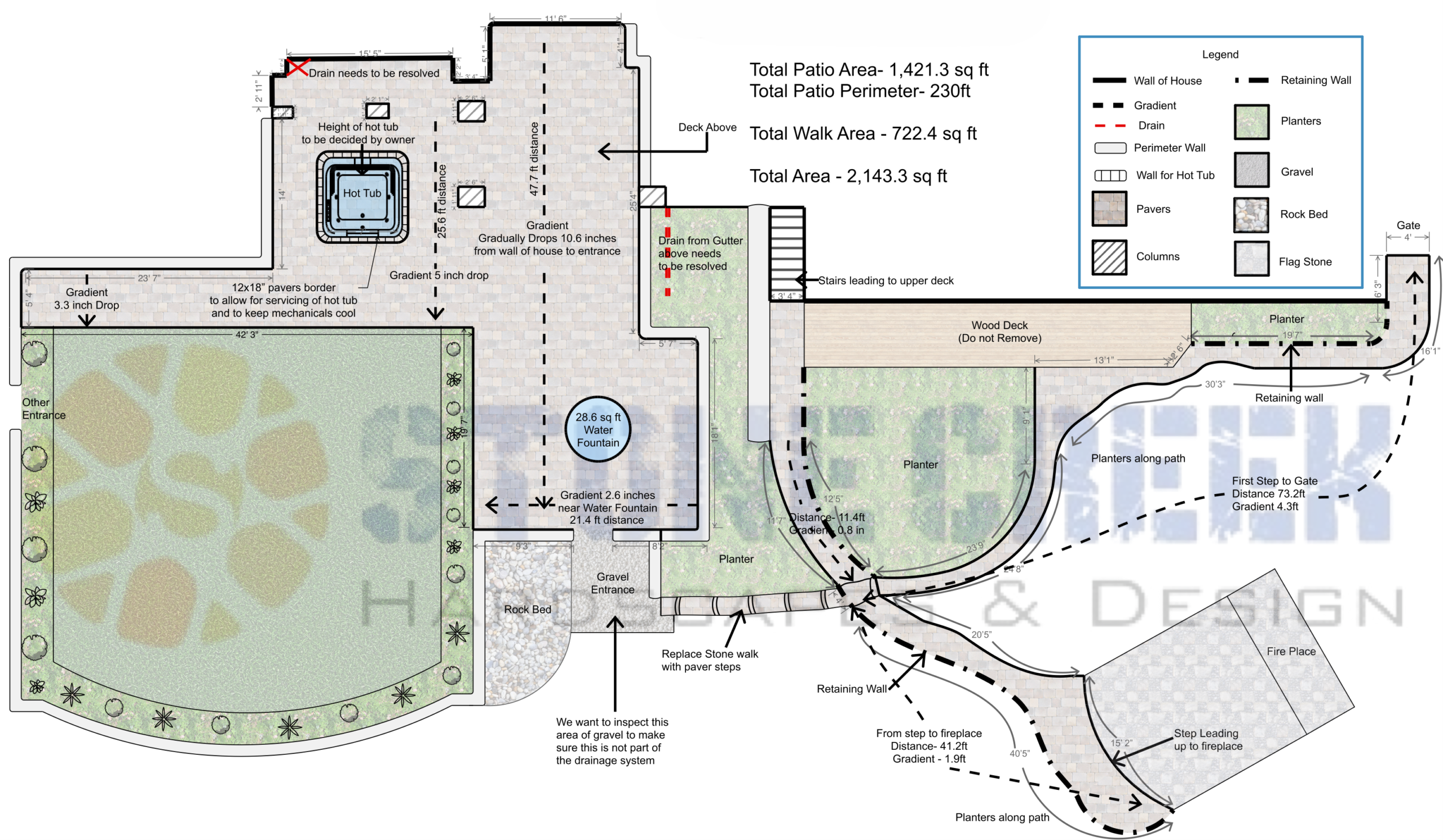
Estate Hardscapes, Patio, and Retaining Walls Plan
You’ll Get a Plan — Before You Commit
At Stone Creek, Hardscapes we don't believe in rough estimates. Your new project deserve a detailed roadmap of your investment. Our professional design plans include precise dimensions, material callouts, and precise layout details.
Why this matters for you:
Visual Confidence: See how the design fits your home’s architecture.
Accurate Pricing: A precise plan means a precise quote—no hidden costs later.
HOA Ready: Our plans are detailed enough to submit directly to your HOA for approval.
With over 25 years of experience, we’ve perfected our process to ensure every project delivers lasting beauty, precision, and customer satisfaction.
Paver Retaining Wall FAQ'S
Yes, paver retaining walls are highly effective at preventing soil erosion. They provide structural support by holding back the soil, reducing the risk of it washing away due to rain, snowmelt, or irrigation. The interlocking design of the pavers ensures that the wall remains stable, even when exposed to heavy pressure from the surrounding soil. Additionally, paver walls allow for proper drainage, preventing water from accumulating behind the wall and causing erosion. This makes them an excellent choice for stabilizing sloped areas and ensuring long-term soil integrity.
Yes, paver retaining walls are especially effective on sloped land. They are commonly used to create level terraces on hillsides or to support the soil on steep inclines. By segmenting a slope with multiple levels of paver walls, you can create a more manageable landscape that reduces soil erosion and improves drainage. Pavers are flexible and can be adapted to fit the contour of the land, making them ideal for customized, sloped installations. With proper grading, paver retaining walls can turn an otherwise challenging landscape into a functional and attractive outdoor space.
Paver retaining walls are designed with built-in drainage capabilities to allow water to flow through the wall. The gaps between the pavers, combined with a well-prepared gravel base, allow water to flow through the structure rather than build up behind it. This prevents the wall from becoming a source of hydrostatic pressure, which could cause it to shift or collapse. Additional drainage pipes or weep holes can be installed behind the wall to further enhance water flow. This natural drainage system ensures that your paver retaining wall maintains its structural integrity, even during heavy rain or snowmelt.
Yes, paver retaining walls are highly customizable. Homeowners can choose from a wide range of materials, including natural stone, concrete, and clay pavers, each available in various colors, textures, and patterns. Whether you prefer a rustic stone wall, a sleek modern design, or a traditional brick look, paver walls can be tailored to fit the style of your home and landscape. Additionally, you can mix and match paver types and incorporate accents like borders or decorative features. The design flexibility of paver walls makes them a versatile option for any outdoor space.
Paver retaining walls are ideal for handling the freeze-thaw cycles typical of Denver’s climate. Unlike concrete walls, which can crack when exposed to repeated freezing and thawing, pavers naturally expand and contract with temperature changes. This flexibility ensures that the wall maintains its integrity despite the fluctuating weather conditions. The interlocking design of pavers also helps prevent shifting, ensuring that the wall remains stable and strong throughout the year. As a result, paver retaining walls are a reliable and long-lasting solution for homes in Denver.
Yes, paver retaining walls can often be installed over existing concrete or stone surfaces. This is particularly useful when homeowners want to upgrade or add to their current landscaping without removing old materials. The existing surface provides a stable base, reducing the need for excavation. However, it’s important to ensure that the base is level and in good condition to ensure the long-term stability of the wall. A professional installer can assess the existing surface and determine if it’s suitable for paver installation, providing a seamless and cost-effective solution.
Outdoor Living Ideas from Stone Creek Hardscapes
See real projects we’ve completed across Colorado and discover ideas for your next outdoor transformation

The Sub-Base Advantage: 3 Critical Layers We Use to Keep Colorado Paver Patios Crack-Free for 25+ Years
Colorado is one of the most beautiful — and one of the most challenging — places
Read More
Beyond Concrete: Why Pavers Are the Only Durable Choice for Denver Metro’s Harsh Winters
Denver’s climate is both beautiful and brutal. We enjoy more than 300 sunny days but
Read More
Stop the Shift: The Paver Installation Secret to Surviving Colorado’s Brutal Freeze-Thaw Cycle
Colorado homeowners love the beauty and durability of paver patios, walkways, and driveways — but
Read MoreYour Vision. Our Design. Let's Put Your Retaining Walls to Work.
Get your free, no-obligation consultation and detailed plan — see your project before you build.
Why Homeowners Choose Stone Creek Hardscapes
At Stone Creek Hardscapes, quality craftsmanship doesn’t have to come with a premium price tag. Our efficient process, in-house crews, and long-standing supplier relationships allow us to deliver top-tier paver installations at fair, competitive rates. You’ll receive honest, transparent pricing with no hidden fees — just the best materials and workmanship your budget can buy.
Our crews are fully certified through the Interlocking Concrete Pavement Institute (ICPI) and Permeable Interlocking Concrete Pavement (PICP) programs — the national standards for paver installation excellence. This means every project is built to last, with proper base prep, drainage, and compaction for long-term performance in Colorado’s demanding climate.
Free Design Plans & Consultations with Every Proposal
Every proposal from Stone Creek Hardscapes comes with a custom design plan — not just a quote. You’ll see exactly how your new patio, driveway, or outdoor space will look before making a commitment. Each plan includes layout details, material recommendations, and clear pricing, so you can make informed decisions with confidence.
With no-cost, no-pressure consultations, our goal is to help you visualize your project and move forward knowing precisely what to expect — from the first sketch to the finished stonework.
Stone Creek Hardscapes & Design is fully licensed and insured for all residential and commercial hardscape projects in Colorado. This gives you peace of mind knowing that your investment is protected, and that every project is completed safely, professionally, and to code.
Stone Creek Hardscapes is proud to be a three-time national award winner for design and installation excellence at the Hardscape North America Awards (2016, 2019, and 2020). These honors recognize our commitment to precision craftsmanship, innovation, and customer satisfaction on every project we complete.
Paver retaining walls are extremely easy to repair compared to other wall materials like poured concrete. If a paver becomes damaged or cracked, you can simply replace the individual stone without disrupting the rest of the wall. This makes it a cost-effective option, as you don’t need to redo the entire structure. Unlike concrete walls, which may require extensive patching, the interlocking nature of pavers ensures they remain stable, even when repairs are needed. With the ability to replace just one stone at a time, your paver retaining wall will continue to stand strong for many years.
One of the biggest advantages of paver retaining walls is the endless design options available. Pavers come in a variety of shapes, sizes, textures, and colors, allowing homeowners to create a custom look that matches their outdoor space. Whether you prefer a classic stacked stone look or a sleek, modern style, paver walls can be tailored to fit your personal aesthetic. Additionally, pavers can be used in curved or straight formations, providing flexibility for different landscape designs. This variety of options means you can create a paver retaining wall that complements your home’s architecture and landscaping perfectly.
Paver retaining walls are incredibly easy to maintain, which is one of the reasons they are so popular among homeowners. Unlike traditional concrete walls, pavers require minimal upkeep. They don’t crack or shift over time, and if any individual pavers do become damaged, they can be easily replaced without disturbing the entire structure. Paver retaining walls also have built-in drainage, which prevents water from building up behind the wall, reducing the risk of damage or erosion. Overall, their durability and low maintenance make paver walls a great investment for homeowners seeking a hassle-free outdoor feature.
Installing a paver retaining wall is a great way to increase your home’s value. A well-designed retaining wall not only enhances the look of your landscaping but also provides structural support that prevents erosion and protects your property. In addition to its practical benefits, a paver retaining wall adds visual appeal and can make your outdoor space more usable and inviting. Whether you’re looking to sell or simply enhance your outdoor living area, a paver retaining wall provides a high return on investment by improving curb appeal and functionality. It’s a feature that will increase both the beauty and value of your home.
Paver retaining walls are built to last, especially when installed properly with the right materials. The durability of pavers allows them to withstand the harsh weather conditions typical in Denver, including freeze-thaw cycles, which can damage other types of walls. Pavers are flexible and can expand and contract with temperature changes, preventing cracks or shifts. With proper installation and minimal maintenance, paver retaining walls can last decades. This longevity makes them a cost-effective option in the long run, ensuring you get lasting value from your investment.
1. What is a paver retaining wall and how does it work?
A paver retaining wall is a structure made from interlocking stones or pavers designed to hold back soil and prevent erosion. These walls are commonly used in landscaping to create level terraces or to provide support in areas with uneven terrain. The weight and interlocking nature of pavers make them ideal for retaining soil, while also allowing for proper drainage to prevent water buildup. Paver retaining walls can be designed in various shapes, sizes, and patterns to fit the aesthetic needs of your outdoor space. Their flexibility and durability make them a popular choice for homeowners looking for a long-lasting solution.
2. Why choose paver retaining walls over other types of retaining walls?
Paver retaining walls offer several advantages over other types of retaining walls, such as concrete or timber. The interlocking nature of pavers allows them to expand and contract without cracking, which is ideal for areas with freeze-thaw cycles like Denver. They are also low-maintenance, as individual pavers can be replaced if damaged, without needing to redo the entire wall. Paver walls are customizable in terms of color, texture, and design, allowing homeowners to create a unique look that complements their landscaping. Finally, pavers provide superior drainage, reducing the risk of water buildup behind the wall.
3. How long do paver retaining walls last?
Paver retaining walls are designed to last for decades when installed properly. The materials used, such as concrete, stone, or clay pavers, are durable and resistant to weather-related damage. Unlike traditional poured concrete walls, pavers don’t crack under pressure and can handle temperature fluctuations. With proper maintenance, which involves checking for any loose pavers and ensuring proper drainage, a paver retaining wall can last 30 to 50 years or more. This long lifespan makes them a cost-effective solution for homeowners seeking durability and longevity.
4. How are paver retaining walls installed?
The installation of a paver retaining wall involves several key steps to ensure stability and long-term performance. First, the area where the wall will be built is excavated and leveled. A base of compacted gravel or crushed stone is then laid down to provide a solid foundation. The pavers are stacked in a specific pattern, with each layer interlocking securely. Drainage pipes may be added behind the wall to allow water to flow freely and prevent pressure buildup. Finally, the wall is backfilled with gravel, and the pavers are locked into place, creating a strong and stable structure.
5. Are paver retaining walls effective in preventing soil erosion?
Yes, paver retaining walls are highly effective at preventing soil erosion. They provide structural support by holding back the soil, reducing the risk of it washing away due to rain, snowmelt, or irrigation. The interlocking design of the pavers ensures that the wall remains stable, even when exposed to heavy pressure from the surrounding soil. Additionally, paver walls allow for proper drainage, preventing water from accumulating behind the wall and causing erosion. This makes them an excellent choice for stabilizing sloped areas and ensuring long-term soil integrity.
6. Can paver retaining walls be used on sloped land?
Yes, paver retaining walls are especially effective on sloped land. They are commonly used to create level terraces on hillsides or to support the soil on steep inclines. By segmenting a slope with multiple levels of paver walls, you can create a more manageable landscape that reduces soil erosion and improves drainage. Pavers are flexible and can be adapted to fit the contour of the land, making them ideal for customized, sloped installations. With proper grading, paver retaining walls can turn an otherwise challenging landscape into a functional and attractive outdoor space.
7. How does water drain through a paver retaining wall?
Paver retaining walls are designed with built-in drainage capabilities to allow water to flow through the wall. The gaps between the pavers, combined with a well-prepared gravel base, allow water to flow through the structure rather than build up behind it. This prevents the wall from becoming a source of hydrostatic pressure, which could cause it to shift or collapse. Additional drainage pipes or weep holes can be installed behind the wall to further enhance water flow. This natural drainage system ensures that your paver retaining wall maintains its structural integrity, even during heavy rain or snowmelt.
8. Are paver retaining walls customizable in terms of design and color?
Yes, paver retaining walls are highly customizable. Homeowners can choose from a wide range of materials, including natural stone, concrete, and clay pavers, each available in various colors, textures, and patterns. Whether you prefer a rustic stone wall, a sleek modern design, or a traditional brick look, paver walls can be tailored to fit the style of your home and landscape. Additionally, you can mix and match paver types and incorporate accents like borders or decorative features. The design flexibility of paver walls makes them a versatile option for any outdoor space.
9. How do paver retaining walls handle Denver’s freeze-thaw cycles?
Paver retaining walls are ideal for handling the freeze-thaw cycles typical of Denver’s climate. Unlike concrete walls, which can crack when exposed to repeated freezing and thawing, pavers naturally expand and contract with temperature changes. This flexibility ensures that the wall maintains its integrity despite the fluctuating weather conditions. The interlocking design of pavers also helps prevent shifting, ensuring that the wall remains stable and strong throughout the year. As a result, paver retaining walls are a reliable and long-lasting solution for homes in Denver.
10. Can paver retaining walls be installed over existing concrete or stone surfaces?
Yes, paver retaining walls can often be installed over existing concrete or stone surfaces. This is particularly useful when homeowners want to upgrade or add to their current landscaping without removing old materials. The existing surface provides a stable base, reducing the need for excavation. However, it’s important to ensure that the base is level and in good condition to ensure the long-term stability of the wall. A professional installer can assess the existing surface and determine if it’s suitable for paver installation, providing a seamless and cost-effective solution.
11. What maintenance is required for paver retaining walls?
Paver retaining walls require minimal maintenance, making them a convenient choice for homeowners. Regular sweeping is usually sufficient to remove debris that can accumulate in the joints. Power washing every few years will help maintain the appearance of the pavers and remove any stains. It’s also a good idea to inspect the wall for any loose or damaged pavers, as individual stones can be easily replaced. Additionally, checking the drainage system to ensure water flows freely will help prevent any issues that could affect the wall’s performance over time.
12. Are paver retaining walls safe for heavy loads?
Yes, paver retaining walls are designed to support heavy loads, provided they are installed correctly. The interlocking pavers distribute the weight evenly across the structure, ensuring that the wall remains stable under pressure. Paver walls can support the weight of vehicles, structures, or large amounts of soil, making them suitable for a variety of uses, including as barriers or terraced garden walls. However, it’s important to ensure the wall is properly engineered and installed by a professional to ensure it can handle the specific load requirements.
13. How much do paver retaining walls cost compared to other materials?
While paver retaining walls tend to have a higher initial cost compared to materials like timber or gravel, they offer a better return on investment due to their durability, low maintenance, and long lifespan. The cost of pavers depends on the type of material chosen, the complexity of the design, and the size of the project. However, considering the long-term savings on repairs and maintenance, paver retaining walls can be a more cost-effective option over time. Additionally, the aesthetic value they add to your home can increase property value, making them a worthwhile investment.
14. How do paver retaining walls compare to timber or wood walls?
Paver retaining walls offer several advantages over timber or wood walls. Unlike wood, which can rot or deteriorate over time, pavers are highly durable and resistant to weather-related damage, such as moisture and insects. Paver walls also provide better drainage, reducing the risk of hydrostatic pressure building up behind the wall. Furthermore, pavers are available in a variety of styles, colors, and textures, offering more design flexibility than timber walls. Paver walls are also easier to maintain since individual pavers can be replaced if damaged, whereas wooden walls may require more extensive repairs.
15. Can paver retaining walls be used for decorative purposes?
Yes, paver retaining walls can be used for both functional and decorative purposes. They not only provide structural support to prevent soil erosion but also enhance the aesthetic appeal of your outdoor space. Pavers come in various colors, textures, and patterns, allowing you to design a retaining wall that complements your landscape. Whether you want a rustic stone look or a sleek, modern design, paver walls can be customized to add visual interest to your garden, yard, or outdoor living space. You can even incorporate decorative features such as built-in planters, lighting, or seating.
16. What are the environmental benefits of paver retaining walls?
Paver retaining walls have several environmental benefits, particularly in terms of drainage and erosion control. The permeability of pavers allows water to flow through the gaps, reducing stormwater runoff and helping to recharge the groundwater. This reduces the risk of flooding and water damage in surrounding areas. Paver walls also help prevent soil erosion, protecting the landscape from shifting and washing away. Additionally, choosing natural stone or recycled pavers for your wall can reduce your carbon footprint and contribute to a more sustainable landscaping solution.
17. Can paver retaining walls be used for terracing a garden?
Yes, paver retaining walls are commonly used for terracing gardens, particularly in areas with sloped or uneven terrain. By creating multiple levels or terraces, paver walls help level the ground, making it easier to plant and maintain a garden. Terracing also helps with water management, preventing soil erosion and allowing water to drain efficiently between levels. Paver walls can be used to create aesthetic, functional garden spaces that add beauty and structure to your landscape. Whether you’re creating a flower garden or growing vegetables, terracing with paver walls provides a stable, visually appealing solution.
18. How do paver retaining walls handle drainage?
Paver retaining walls are designed with built-in drainage capabilities to prevent water buildup behind the wall. The gaps between the pavers allow water to flow freely through the structure, reducing the risk of hydrostatic pressure. Additionally, a drainage pipe or weep holes can be installed behind the wall to further enhance water flow and prevent soil erosion. Proper drainage is essential for ensuring the long-term stability of the wall, as trapped water can weaken the structure. By allowing water to flow through and away from the wall, paver retaining walls help maintain both the wall’s integrity and your landscaping.
19. Are paver retaining walls resistant to cracking?
Yes, paver retaining walls are resistant to cracking due to the flexible, interlocking nature of the pavers. Unlike poured concrete walls, which can crack under pressure or due to temperature fluctuations, pavers can expand and contract naturally with the changing weather. This flexibility allows paver walls to withstand the freeze-thaw cycles typical of climates like Denver’s, where concrete may break down over time. If any individual paver does become cracked, it can easily be replaced without the need to rebuild the entire wall.
20. How do paver retaining walls contribute to the aesthetic value of my home?
Paver retaining walls enhance the aesthetic value of your home by adding structure and visual interest to your landscaping. The variety of available materials, colors, and patterns allows you to customize the design to complement your home’s architecture and outdoor space. Whether you’re looking for a rustic, natural look or a modern, sleek appearance, paver retaining walls can be designed to fit your style. A well-designed paver wall also adds curb appeal, making your property more attractive to potential buyers. This combination of functionality and beauty makes paver retaining walls a valuable addition to your home.
21. Can paver retaining walls be used in commercial landscaping projects?
Yes, paver retaining walls are often used in commercial landscaping projects due to their durability, versatility, and aesthetic appeal. They are suitable for large-scale applications such as parking lots, highways, and outdoor commercial spaces. Paver walls provide structural support, help with soil stabilization, and manage water flow effectively. Their ability to handle heavy traffic and withstand harsh weather conditions makes them an ideal choice for commercial use. Additionally, the variety of materials and designs available allows for customization to match the branding and aesthetic needs of commercial properties.
22. How much weight can a paver retaining wall hold?
A properly installed paver retaining wall can hold a significant amount of weight, depending on its design and installation. The interlocking structure of pavers provides strength and stability, allowing the wall to support the weight of soil, water, and even light structures like patios or small garden features. If your paver retaining wall is designed to handle heavier loads, such as vehicles or large structures, additional reinforcement may be required. A professional installer can assess your needs and ensure that your retaining wall is built to support the weight it will bear over time.
23. Can paver retaining walls be built in multiple levels?
Yes, paver retaining walls can be built in multiple levels, creating tiered terraces for both aesthetic and functional purposes. Multi-level retaining walls are ideal for sloped yards, as they help to level the ground, creating flat areas for planting or landscaping. These walls also allow for better drainage, as water can flow between each level. Multi-level paver walls can add depth and dimension to your outdoor space, creating a visually appealing and functional design. Whether you’re looking to plant a garden or add seating areas, multi-level paver walls can enhance your landscape’s beauty and usability.
24. How do paver retaining walls perform in drought conditions?
In drought conditions, paver retaining walls can help manage water efficiently due to their permeability. The gaps between the pavers allow water to drain through the surface, preventing the accumulation of water that could lead to erosion. This drainage helps to reduce water runoff, which can damage plants and the surrounding landscape. Additionally, because paver walls promote healthy soil drainage, they can help maintain soil integrity during periods of reduced rainfall. This makes paver retaining walls an environmentally friendly option for managing water during dry spells.
25. What types of pavers are best for retaining walls in Denver?
The best types of pavers for retaining walls in Denver are those that are durable and resistant to the freeze-thaw cycles typical of Colorado’s climate. Concrete pavers are a popular choice because they are cost-effective and come in a wide variety of shapes and colors. Natural stone pavers, such as flagstone or slate, offer a more rustic, elegant look and are extremely durable. Clay pavers are also a great option for traditional designs and hold up well in Denver’s weather. The choice of material depends on your design preferences, budget, and the specific needs of your landscape.
26. What’s the difference between a paver retaining wall and a dry stack wall?
A paver retaining wall is made up of individual interlocking pavers that are laid with mortar or gravel to create a strong, stable structure. These walls provide excellent drainage and are built to withstand pressure from soil and water. On the other hand, a dry stack wall is constructed without mortar, using stones stacked on top of each other. While dry stack walls are visually appealing and great for decorative purposes, they are typically less stable than paver retaining walls and may not provide the same level of support for soil or water retention. Paver walls are better suited for functional applications, particularly in areas where structural support is needed.
27. Can paver retaining walls be used to create raised garden beds?
Yes, paver retaining walls are commonly used to create raised garden beds, providing both structural support and visual appeal. The height of the wall allows for better drainage, preventing waterlogging and making it easier to plant in areas with poor soil quality. Raised beds also help with weed control and reduce the need for bending while gardening. The durability of pavers ensures that the garden bed will remain stable over time, and the variety of paver materials allows for customization to fit your landscaping style. Whether you’re growing flowers, vegetables, or herbs, a paver retaining wall is an excellent solution for raised garden beds.
28. Can paver retaining walls be used in commercial landscaping projects?
Yes, paver retaining walls are often used in commercial landscaping projects due to their durability, versatility, and aesthetic appeal. They are suitable for large-scale applications such as parking lots, highways, and outdoor commercial spaces. Paver walls provide structural support, help with soil stabilization, and manage water flow effectively. Their ability to handle heavy traffic and withstand harsh weather conditions makes them an ideal choice for commercial use. Additionally, the variety of materials and designs available allows for customization to match the branding and aesthetic needs of commercial properties.
29. How do paver retaining walls contribute to stormwater management?
Paver retaining walls contribute significantly to stormwater management by allowing water to flow through the gaps between the pavers rather than collecting behind the wall. This permeability helps reduce runoff and prevents water from accumulating in areas where it could cause flooding or erosion. Properly installed paver walls with adequate drainage systems can redirect water to designated areas, improving the overall water flow around your property. This natural drainage system not only protects your landscape but also helps prevent soil erosion and water damage to your home’s foundation.
30. What are the advantages of using natural stone pavers for retaining walls?
Natural stone pavers offer several advantages for retaining walls. First, they provide a timeless, rustic aesthetic that blends well with a variety of landscapes. Natural stone is incredibly durable and resistant to weather-related wear and tear, making it ideal for retaining walls in areas with extreme temperatures or heavy rainfall. Stone pavers are also highly versatile, available in different textures and colors to suit your design preferences. Additionally, natural stone is a sustainable option, as it’s a long-lasting material that doesn’t require frequent replacement.
Cities We Service
Arvada, Aurora, Boulder, Broomfield, Brighton, Castle Rock, Centennial, Cherry Hills Village, Conifer, Englewood, Erie, Evergreen, Federal Heights, Firestone, Franktown, Frederick, Genesee, Golden, Greenwood Village, Henderson, Highlands Ranch, Indian Hills, Ken Caryl, Lafayette, Lakewood, Larkspur, Littleton, Longmont, Lone Tree, Morrison, Northglenn, Parker, Roxborough, Sedalia, Sheridan, Southglenn, Superior, Thornton, Westminster, Wheat Ridge